Backcountry Snowmobiling Safety: Essential Gear and Preparation for Utah Riders

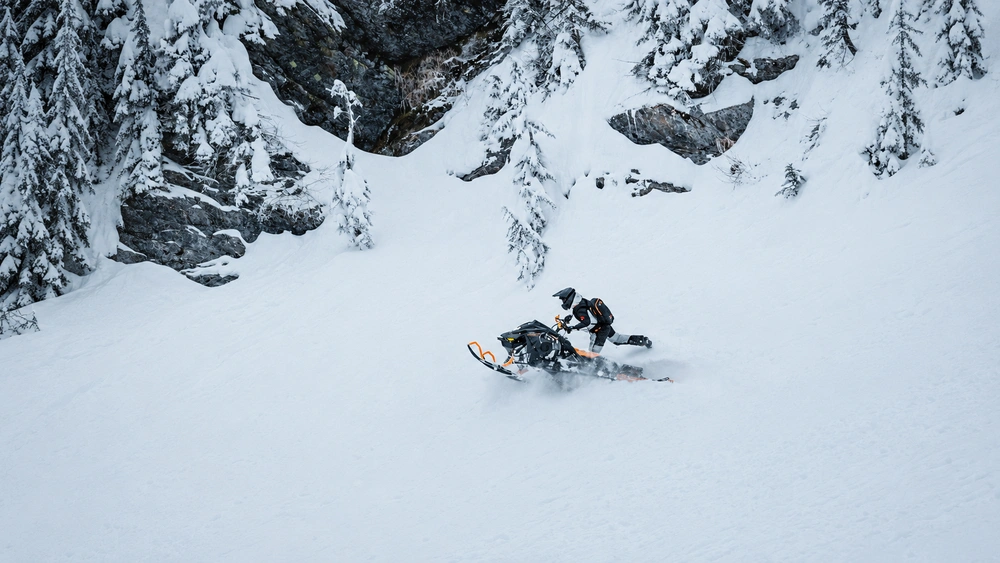
Backcountry snowmobiling offers access to incredible winter terrain, but a great day starts well before you unload the trailer. Avalanche conditions, changing weather, equipment problems, and distance from help all deserve a place in your planning.
At Weller Recreation in Kamas, Utah, we encourage riders to prepare their skills, equipment, and riding plan together. Whether you’re exploring the Uintas or traveling to another mountain destination, here’s what to consider before heading out.
Check the Avalanche Forecast and Mountain Weather
Before every ride, read the avalanche forecast for the specific region you plan to visit. For local riders, that may mean selecting the Uintas forecast, rather than assuming conditions match another part of the Wasatch.
Read beyond the danger rating. Review the avalanche problems, affected elevations and slope directions, expected avalanche size, and forecaster’s travel advice. Check the forecast’s date and coverage area. An absent or outdated forecast does not establish safe conditions.
The Utah Avalanche Center provides regional forecasts, observations, weather information, and education resources.
Also check the mountain weather forecast at weather.gov. Plan around wind, snowfall, temperature changes, visibility, and the time needed to return. Change your destination or postpone the ride when conditions exceed your group’s ability to manage them.
Get Avalanche Training Before Entering Avalanche Terrain
Riding experience and avalanche education are different skills. Knowing how to handle a snowmobile does not automatically prepare you to identify avalanche terrain or rescue a buried partner.
Start with avalanche awareness education, then pursue hands-on training appropriate to your riding. Recreational Level 1 and Avalanche Rescue courses provide foundational education in decision-making and companion rescue. Look for motorized courses that address snowmobile travel specifically.
Take training with your riding partners and practice together throughout the season. An online introduction is useful preparation, but hands-on rescue practice matters. Find course information through Avalanche.org.
Equip Every Rider With Avalanche Safety Gear
For travel in avalanche terrain, every rider needs an avalanche transceiver, probe, and sturdy metal shovel—and must know how to use them. We also recommend considering an avalanche airbag backpack as an additional layer of protection.
| Equipment | Purpose |
|---|---|
| Avalanche transceiver | Transmits your location and switches to search mode to help locate a buried partner |
| Avalanche probe | Pinpoints a buried person after the transceiver search |
| Metal avalanche shovel | Moves dense avalanche debris during excavation |
| Avalanche airbag backpack | When properly deployed, can help reduce the likelihood of complete burial in an avalanche |
An airbag can improve your chances of remaining near the snow’s surface, but it does not guarantee survival or prevent injury. It supplements your rescue equipment, training, and terrain decisions.
Weller Recreation carries a great selection of avalanche safety gear, including transceivers, probes, shovels, and avalanche airbag backpacks. Visit our team in Kamas for help comparing options, checking fit, and preparing your equipment for the season.
Wear your transceiver according to its manufacturer’s instructions. Carry your shovel and probe in your backpack so they remain with you if you become separated from your snowmobile.
Learn how to deploy your airbag, practice according to the manufacturer’s instructions, and inspect its deployment system before riding.
Before leaving the trailhead, perform a group transceiver check to confirm every unit transmits and receives, then confirm everyone is back in transmit mode. Follow manufacturer instructions for batteries, inspections, firmware, and separation from electronics or other sources of interference.
Learn more through the Utah Avalanche Center’s gear guide.
Choose Terrain Carefully and Watch for Warning Signs
Avalanche safety depends heavily on where you travel—and what lies above you. A gentle meadow or trail can still sit beneath a slope capable of producing an avalanche.
Warning signs include:
-
Recent avalanches.
-
Shooting cracks or collapsing snow.
-
“Whumpfing” sounds.
-
Heavy snowfall or wind loading.
-
Rapid warming or rain on snow.
Most avalanche starting zones are steeper than about 30 degrees, but avalanches can reach flatter terrain below. Warning signs call for more conservative decisions; their absence does not prove a slope is stable.
Stay away from cornice edges and avoid gathering in gullies, beneath steep slopes, or in other avalanche runout areas.
Expose only one rider at a time when crossing a potentially hazardous slope, with partners watching from outside the slide path. This travel practice reduces exposure; it does not make an unstable slope safe. If someone gets stuck on a steep slope, avoid sending additional riders onto it without assessing the exposure.
Pack for an Unexpected Night Out
A breakdown or injury can turn a short ride into a long wait. Pack for the possibility of being stationary in winter conditions.
Your emergency kit should include:
-
Extra insulating layers, dry gloves, socks, and a warm hat.
-
An emergency bivy or shelter suitable for winter conditions.
-
A headlamp and spare batteries.
-
Extra food and drinking water protected from freezing.
-
A first-aid kit and personal medications.
-
Waterproof fire-starting supplies, where lawful and appropriate.
-
A whistle and a knife or multitool.
-
Navigation and emergency communication equipment.
Keep essential survival items with you in case you become separated from your snowmobile. A thin emergency blanket provides limited insulation, so consider how your shelter and clothing work together. Winter recreation guidance recommends extra clothing, food, first-aid supplies, and emergency gear.
Dress in layers and manage ventilation before you become soaked with sweat. Watch partners for unusual clumsiness, confusion, slurred speech, or severe shivering. Suspected hypothermia requires prompt action and emergency assistance.
Plan Navigation and Communication
Download maps before leaving service, identify your return route, and carry a backup navigation method you know how to use.
For riding beyond reliable cellular coverage, consider a satellite messenger or personal locator beacon. Understand your device’s capabilities, registration or subscription requirements, and emergency activation procedure before the trip. Communication equipment can help summon assistance, but rescue may still take considerable time.
Leave a trip plan with someone who is staying home. Include:
-
Your trailhead and intended riding area.
-
Names of the people in your group.
-
Your expected return time.
-
Vehicle and trailer information.
-
A clear plan for whom to contact if you are overdue.
Ride with partners, establish regrouping points, and agree that anyone can call for a more conservative route or an early return.
Inspect Your Snowmobile Before Leaving
Follow your owner’s manual and check your machine before every ride. Review fuel, oil, coolant where applicable, throttle operation, brakes, steering, lights, track, and suspension.
Carry tools and spare parts appropriate to your sled, including a compatible spare drive belt and the equipment needed to change it. Know the manufacturer’s recovery and towing procedures. The Utah Snowmobile Association also recommends tools, spare belts, and survival supplies.
Wear a properly fitted snowmobile helmet, eye protection, and suitable boots and clothing. Ride sober and adjust your speed to visibility and terrain.
Confirm Access Before You Ride
Check current land-management maps, seasonal closures, snow coverage requirements, and motorized-use boundaries. Respect private property and areas closed to snowmobiles.
Review Utah’s current snowmobile education, registration, and permit requirements through the Utah Division of Outdoor Recreation. Snowmobile certification is separate from ATV and side-by-side certification.
Prepare for Your Next Ride With Weller Recreation
Preparation means having a maintained snowmobile, appropriate equipment, practiced skills, and the willingness to change plans.
Weller Recreation offers a great selection of avalanche safety gear, including airbag backpacks, transceivers, probes, and shovels, along with snowmobile riding gear, parts, and service.
Visit us in Kamas, Utah, or explore wellerrec.com for help preparing your machine and equipment. For avalanche education and terrain decisions, use qualified instructors and the latest regional forecast.
Built on Trust. Powered by Passion.
Resources for More Information
| Resource | What you’ll find |
|---|---|
| Utah Avalanche Center | Utah avalanche forecasts, observations, weather, and education |
| Avalanche Rescue Gear Guide | Essential and recommended equipment |
| Avalanche Courses | Training progression and course providers |
| Avalanche Warning Signs | Information about signs of unstable snow |
| National Weather Service | Weather forecasts and alerts |
| Utah Division of Outdoor Recreation | Snowmobile education information |
| Winter Recreation Preparation | Trip planning and winter preparedness |
This article is a preparation guide. It does not replace hands-on avalanche training, current forecasts, or your equipment manufacturers’ instructions.